Free UK delivery on all orders

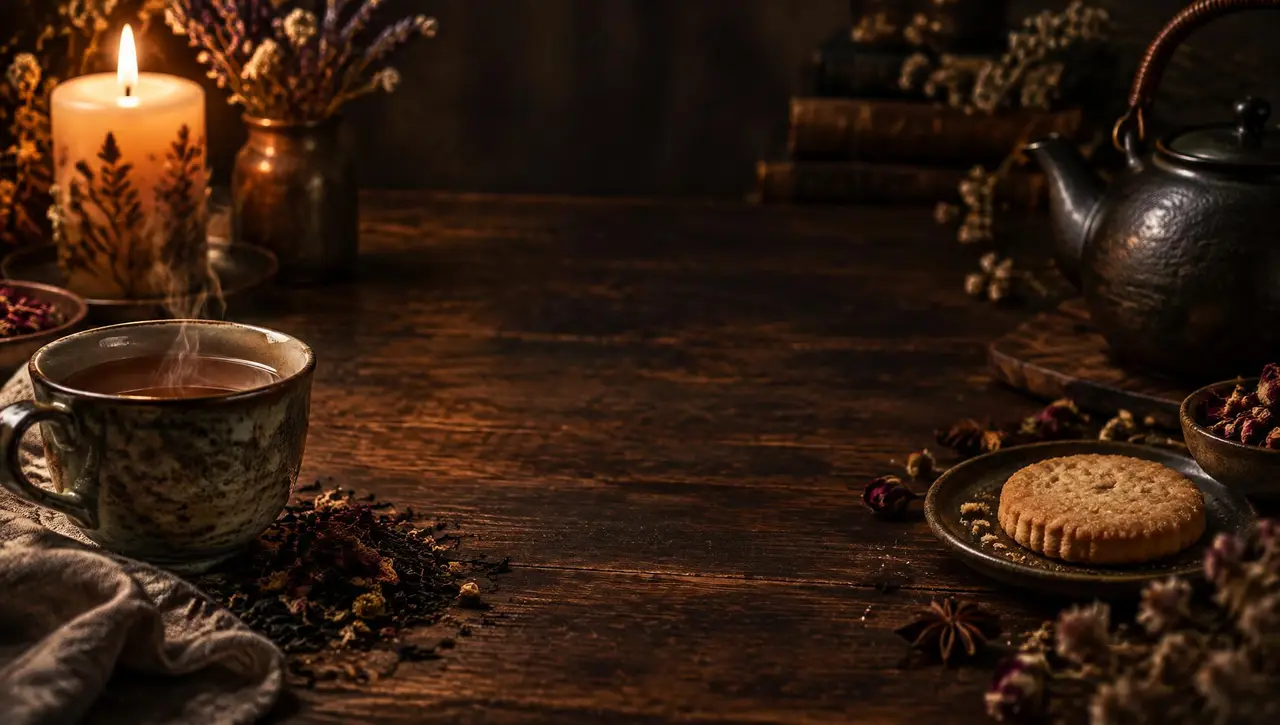
A cup of loose leaf tea beside a cast-iron teapot and shortbread on a wooden table

Loose leaf tea for beginners

Colin Preston, who hand-blends every Wild Steep teaLast updated 5 min read

To start drinking loose leaf tea, choose one flavour you already enjoy, a mug and a roomy infuser or brew bag. Use about 3g for a 350ml mug, follow the pouch’s water temperature and brewing time, then remove the leaf. Taste it, and adjust one thing next time. You do not need a teapot.

Loose tea needn’t mean a shelf of equipment or a new set of rules. It is still leaf, hot water and a cup. Start with a familiar flavour; save the unusual ones for when you know what you like.

“Straight answers from the kitchen table and the market stall.”— Colin Preston

What is loose leaf tea?

Loose leaf is tea sold without individual tea bags. You measure it yourself and use a strainer, infuser or brew bag to keep the pieces out of your drink. The leaf can be whole, rolled or cut; loose does not automatically mean whole-leaf.

Black, green, white and oolong tea come from Camellia sinensis. Rooibos, peppermint and other herbal infusions come from different plants. Both can be brewed loose, but they taste different and do not all share the same caffeine content.

For a closer comparison, read Loose leaf vs tea bags.

Which loose tea should I try first?

Choose by taste rather than by what you think a tea drinker ought to like. If you drink a milky black tea now, begin there. If you prefer mint or fruit, a herbal infusion is just as good a first cup. There is no compulsory green-tea stage.

  • A traditional cuppa: plain black tea gives you a familiar, full-bodied starting point. Add milk after brewing.
  • A caffeine-free cup with some body: try plain rooibos. Its woody sweetness is different from black tea, but it can take milk.
  • A fresh, clean flavour: pure peppermint is straightforward, minty and best tried without milk.
  • A tangy, fruity cup: look for hibiscus or rosehip in the ingredients. Expect tartness rather than the sweetness of juice.

Need to avoid caffeine? Our caffeine-free tea guide explains the difference between naturally caffeine-free plants and decaf tea.

Malty and full-bodied; a familiar place to start, with or without milk.

Naturally sweet, woody and smooth; caffeine free and worth trying with milk.
View Rooibos
Rooibos

Rooibos

Slow-burning hearth — sweet, malty red.

Ingredients | Caffeine-free

Rooibos

£12.49 · 50g · approx 40 cups

View full details

Clean, bright and cool; a single-ingredient, naturally caffeine-free infusion.

View Peppermint
Peppermint pouch standing on a bright kitchen counter beside fresh mint and a glass teapot13% Off

Peppermint

After-dinner — cool, clear, long.

Ingredients | Caffeine-free

Peppermint leaves

£12.00£10.49 · 50g · approx 40 cups

View full details

What equipment do I actually need?

A kettle, a mug and something to separate the leaf from the drink. A roomy mesh basket is easy to lift out and rinse. A fill-your-own brew bag is another simple option. Either should leave space for the leaf to open, rather than squeezing it into a tightly packed ball.

Small kitchen scales are useful, not essential. Spoonfuls are a rough measure because a spoon of fluffy flowers weighs less than the same volume of rolled tea. Use the same spoon each time if you don’t have scales.

No infuser yet? Brew loose in a heatproof jug and pour through a clean kitchen sieve into your mug. Use care with hot water. You can browse tea tools later; you do not need to buy a whole setup to try your first cup.

How much tea and how long for my first mug?

For a standard 350ml British mug, about 3g is a starting point, not a rule for every tea. Check your mug’s size and the instructions on the pouch. The examples below use our current menu’s brewing guidance; they are not results from a Wild Steep Brew Test.

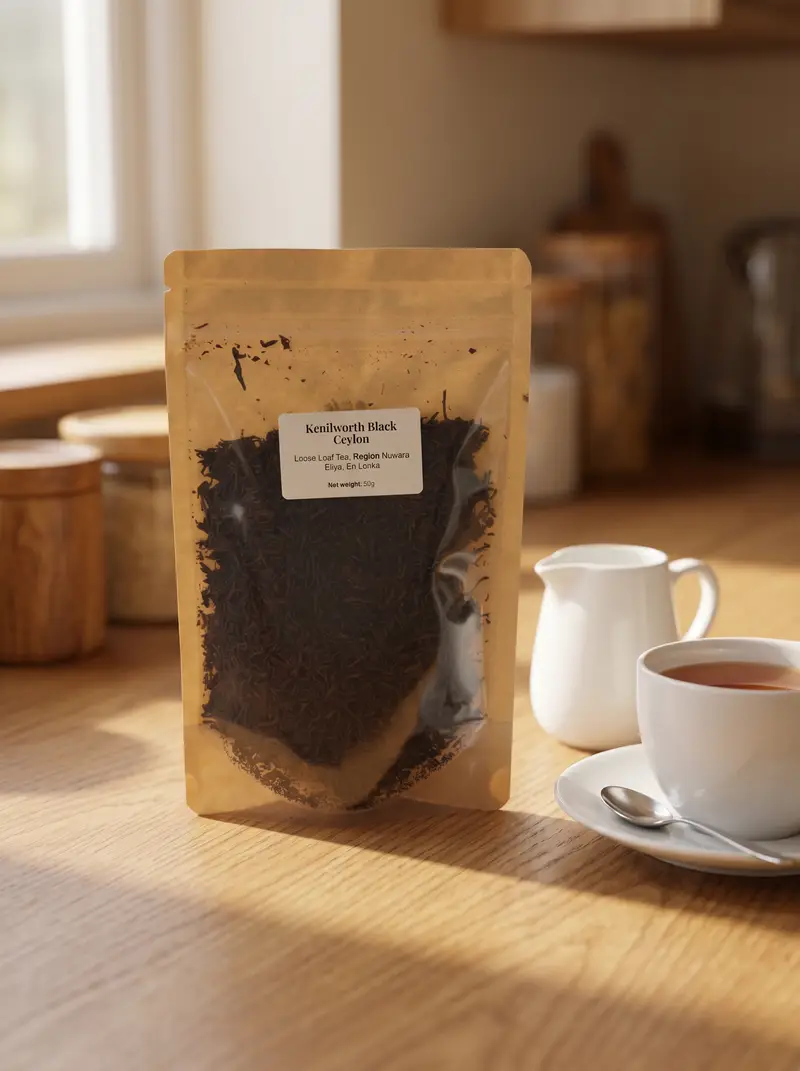
Kenilworth Black

Leaf for a 350ml mug
About 3g
Water and time
90–95°C · 3–4 min

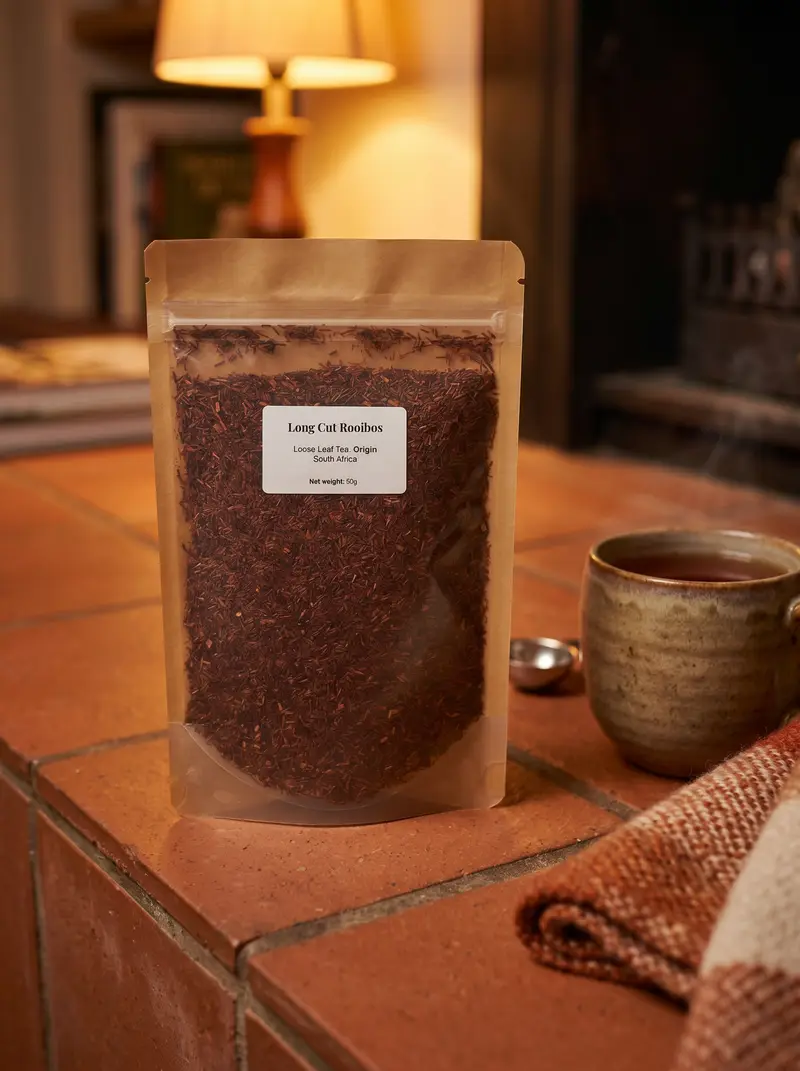
Long Cut Rooibos

Leaf for a 350ml mug
About 3g
Water and time
95–100°C · 5–7 min

Peppermint

Leaf for a 350ml mug
About 3g
Water and time
95–100°C · 5–7 min

Green tea generally wants cooler water than black tea; leaving a kettle to stand is only an estimate, since cooling depends on the kettle and how full it is. Follow the individual tea’s directions rather than assuming all loose leaf uses boiling water.

For more tea types, see How to brew loose leaf tea.

How do I make my first cup?

  1. Choose and measure your tea. For a 350ml mug, start with about 3g of loose leaf. Check the pouch instructions; different leaves and botanicals need different amounts.
  2. Heat fresh water. Use the water temperature on the pouch. Black tea and rooibos usually take hotter water than green tea. A temperature-controlled kettle or thermometer removes the guesswork.
  3. Give the leaf room and time. Put the leaf in a roomy infuser or brew bag, pour in the water and set a timer for the pouch's brewing time. Cover the mug if practical.
  4. Remove the leaf and taste. Lift out the infuser or strain the tea. Taste before adding milk or sugar. Next time, change just one thing: the amount of leaf, temperature or time.

Milk is optional. Try black tea or plain rooibos with it if that’s your usual cuppa. Try fruit and mint infusions plain first, so you can tell whether you like the flavour before changing it.

What if the cup is weak, bitter or gritty?

  • Weak: check how much water your mug holds. Try a little more leaf next time, keeping the recommended temperature and time.
  • Bitter or harsh: shorten the steep or check the water temperature, especially for green tea. Leaving black tea in the mug indefinitely is not the same as making it stronger.
  • Gritty: use a finer mesh or brew bag. Small particles can pass through a coarse strainer; they do not mean you brewed it incorrectly.
  • Not your flavour: try another style. Smoky tea, sharp hibiscus and floral blends are quite different drinks. You may simply prefer one to another.

Change one thing at a time and jot down what you used. A note such as “same leaf, thirty seconds less” is more useful than starting from scratch with every cup.

Can I use the leaves again, and how do I store the rest?

Some loose teas give a pleasant second steep, often a lighter one. Try fresh hot water on the same leaf soon after your first cup and judge it by taste; not every tea or herbal blend will give an equally good second mug. Do not put damp, used leaf back into the dry pouch.

Keep unused tea tightly sealed, away from heat, moisture and strong smells. Follow the best-before date on the pack. Wild Steep pouches are kraft paper with a clear plastic window on the front; keep them in a cupboard rather than on a sunny windowsill.

Ready for another flavour? Browse loose leaf tea, or return to Tea guides for the next question.

What else do beginners ask?

Start with a flavour you already enjoy. A plain black tea suits someone who likes a traditional cuppa with milk; rooibos is a naturally caffeine-free alternative. Peppermint or a fruit infusion is a different starting point if you prefer fresh or tangy flavours. You do not have to start with green tea.

No. A mug, kettle and roomy infuser basket or brew bag are enough. You can also brew the leaf loose in a jug and pour through a clean kitchen sieve. The important part is being able to separate the leaf from the drink when the brewing time is up.

Start with about 3g, then follow the tea's own instructions and adjust to taste. Spoonfuls vary: fluffy flowers take up more room than dense rolled leaves. Small kitchen scales make the amount repeatable. If your cup is weak, try a little more leaf next time rather than simply leaving it much longer.

Yes. Black tea and plain rooibos are sensible starting points for a milky cup. Brew and remove the leaf first, then add milk to taste. Tangy fruit blends containing hibiscus are generally better without dairy milk, which can split in an acidic drink. There is no need to add sugar.

No. Black, green, white and oolong tea contain caffeine because they come from the tea plant, Camellia sinensis. Pure rooibos and peppermint do not. Decaffeinated black tea can retain a small amount. Check the full ingredient list: a blend of herbs and green or black tea will still contain caffeine.

Teas from this guide

View Rooibos
Rooibos

Rooibos

Slow-burning hearth — sweet, malty red.

Ingredients | Caffeine-free

Rooibos

£12.49 · 50g · approx 40 cups

View full details
View Peppermint
Peppermint pouch standing on a bright kitchen counter beside fresh mint and a glass teapot13% Off

Peppermint

After-dinner — cool, clear, long.

Ingredients | Caffeine-free

Peppermint leaves

£12.00£10.49 · 50g · approx 40 cups

View full details

From our customers

Kind words, poured warm

“Arrived today and they are all well packed, customer services was spot on as well. I have only tried the Earl Grey Blue Flower so far but it is the most beautiful fragrant tea, I thoroughly enjoyed it. Will definitely be ordering more in the future.”
Ordered Battenberg, Earl Grey Blue Flower, Darjeeling Second Flush, Jasmine Green, Clear Out and a tea caddy
“A beautifully packed product delivered promptly!”
Verified customer
“My dad and I love lapsang souchong and M&S Christmas tea. Bought two bags of your tea “The Feast” as it sounded like it might tick one or both of our boxes. Absolutely delicious.”
Ordered The Feast
“Lovely packaging and even better tea! Prompt delivery and super-sharp communication. Will re-order without doubt!”
Verified customer